POSEIDON is an innovative web-based water quality portal that changes the way we monitor and analyze stream nitrogen and phosphorus concentrations, loads, and landscape inputs.
By combining comprehensive data with advanced machine learning, POSEIDON helps scientists, policymakers, and communities make evidence-based decisions and implement targeted actions to address nutrient pollution.

POSEIDON uses machine learning models to predict daily stream nitrogen and phosphorus concentrations and loads as a function of streamflow and landscape attributes.
The portal also incorporates landscape-level nutrient inputs, helping users understand where nutrients come from, how they move through the landscape, and where targeted solutions may have the greatest impact.
Principal Investigator. Canada Research Chair in Global Water Sustainability and Ecohydrology, and Professor of Civil and Environmental Engineering at the University of Waterloo.
Co-Investigator. Associate Professor at Pennsylvania State University, specializing in nutrient cycling, legacy pollution, and watershed hydrology.
POSEIDON is funded by a Natural Sciences and Engineering Research Council of Canada Alliance Grant, awarded to Dr. Nandita Basu.
The project is developed in partnership with organizations across the Great Lakes basin:
The portal is co-developed through continuous interaction with partners, helping ensure that its tools and datasets reflect the needs of water managers and communities.
“We cannot manage what we do not measure.” — Dr. Nandita Basu
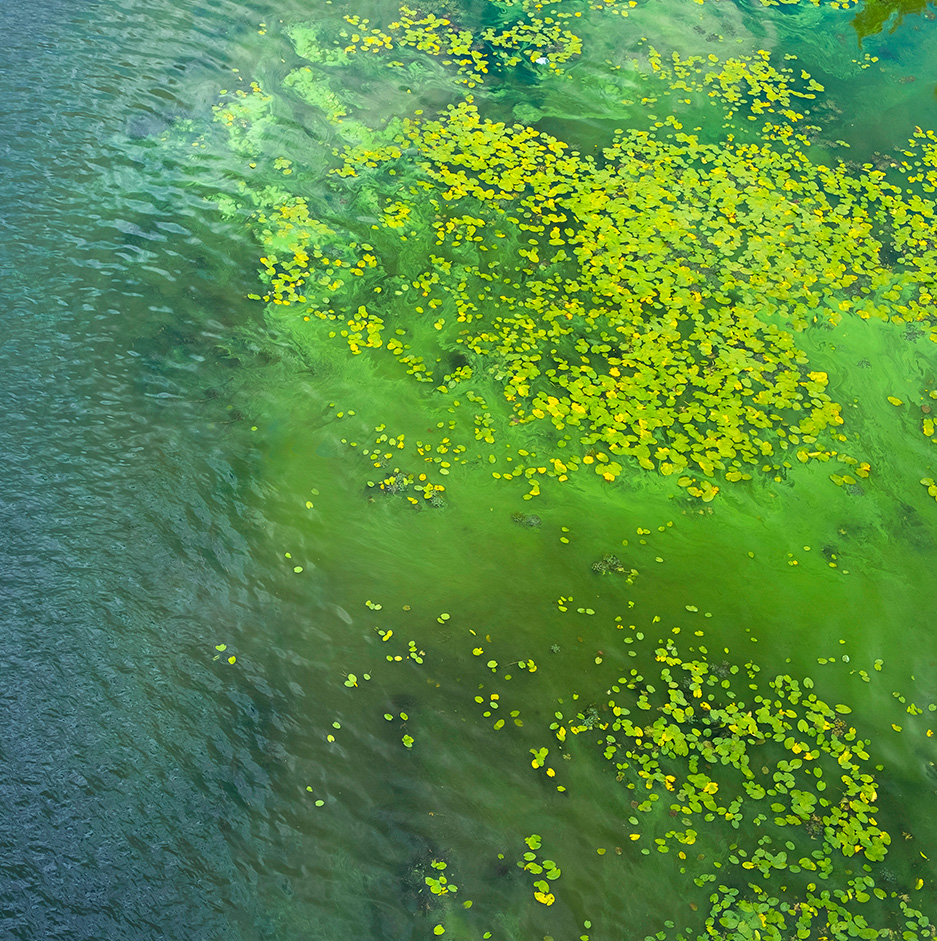
One of the greatest threats to the health of the Great Lakes is the increasing frequency and severity of algal blooms driven by excess nutrients.
The portal makes water quality data more accessible to researchers, government agencies, conservation organizations, and community groups through a user-friendly interface.
Interested in collaborating, accessing our datasets, or learning more about the POSEIDON project? Connect with our team to learn more about the portal, explore partnership opportunities, or ask questions about POSEIDON’s water quality tools and datasets.